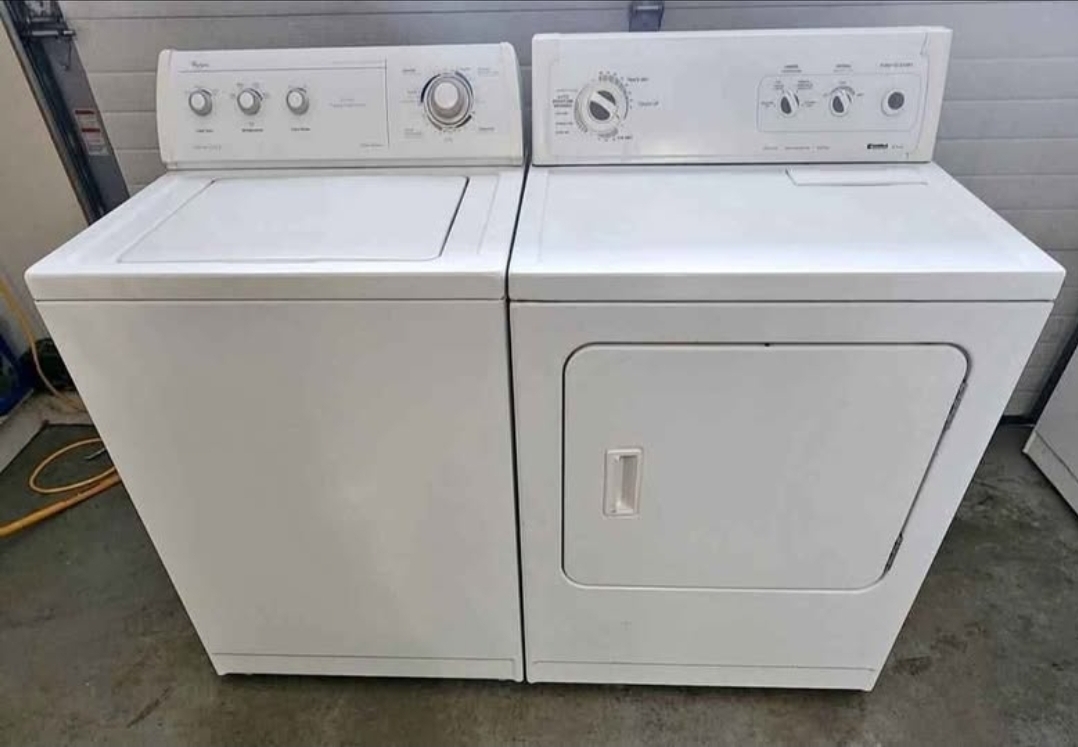
When an appliance breaks down or you’re setting up a new home, the first decision is usually the same: rent or buy? The answer depends on your situation, how long you’ll need the appliance, and how much you want to spend upfront. Both options have real advantages. Buying makes sense if you’re staying put for years. Renting works better if you need flexibility or want to avoid a large initial cost.
This guide helps you think through the choice based on money, time, and peace of mind. By the end, you’ll have a clear idea of which option fits your life right now.
The Cost Difference: Upfront vs. Monthly
Buying an appliance almost always means paying a lot upfront. A new washer can cost $500 to $1,500. A dishwasher might be $400 to $800. Add delivery and installation, and you’re looking at several hundred dollars more before you even use it.
Renting spreads that cost across months. Instead of $1,000 one time, you pay $59 or $79 each month. Over three months, you’ve paid less than the cost of buying. Over a year, you may have paid what a new appliance costs. After that, you’re essentially paying for the convenience and maintenance service, not the appliance itself.
But here’s the calculation that matters: how long will you use this appliance?
If you’ll stay in your home for five years or more, and you plan to use the appliance the whole time, buying starts to look cheaper. You pay once, then the appliance is yours. Monthly rental costs keep adding up. After five years of paying $79 a month for a washer, you’ve spent $4,740. A new washer costs far less.
If you’ll only need it for a year or two, renting is cheaper. You avoid the upfront cost, and you don’t pay a penny after you stop renting. There’s no risk you’ll need to replace it or repair it yourself.
Maintenance and Repairs: Peace of Mind vs. Responsibility
Here’s where rental and buying feel very different. If you rent and something breaks, you call the rental company. They fix it. You don’t pay extra. This is huge if the appliance fails.
If you buy, repairs are your problem. A washing machine that stops spinning mid-cycle is your responsibility. A dishwasher that won’t drain is yours to fix. Repairs can cost hundreds of dollars, and they almost always happen when you least expect it.
Many buyers forget about this when comparing prices. The sticker price of a new appliance doesn’t include the repair costs over its lifetime. Renters never have to think about it.
How Long You’ll Stay Makes a Difference
This is the most important question. If you’re renting a home, you might move in a year or two. Buying an expensive appliance, then moving, means selling it (for much less than you paid), or leaving it behind. Renting avoids that problem entirely.
If you’re a homeowner planning to stay for many years, buying makes financial sense. You’ll use the appliance for its full lifespan, and you won’t pay monthly fees on something you could own outright.
Temporary situations favor renting. Moving to a new city for work? Renting. Setting up a student apartment? Renting. Managing a rental property temporarily? Renting. These situations are exactly why rental services exist.
Hidden Costs of Buying
When people compare renting and buying, they often forget the extras that come with buying:
- Delivery and installation fees (often $100-$300)
- Appliance protection or warranty plans (optional but common)
- Repair costs that aren’t covered by warranty
- Replacement costs if the appliance fails completely
- Removal and disposal costs when it’s time to replace it
These add up. A “cheap” appliance that fails after a few years, then costs $200 to replace, wasn’t so cheap after all.
Renting includes most of this. Delivery is free. Installation is free. Repairs and maintenance are free. If something major fails, it’s replaced at no cost to you.
Flexibility and Life Changes
Life rarely stays the same. Plans change. You might move for work, move in with someone, or have other changes that affect what you need.
If you’ve bought a washer and your situation changes, you’re stuck with it. You can try to sell it, but used appliances are worth far less than new ones. You might lose hundreds of dollars.
If you’re renting, you have options. You can upgrade to a larger capacity if your family grows. You can cancel if you move. You can switch to a different appliance if your needs change. That flexibility is worth something, especially if life is uncertain right now.
When Buying Makes Sense
Buy an appliance if:
- You’re staying in your home for at least five years
- You have the money for the upfront cost without financial strain
- You’re comfortable handling or paying for repairs
- You want to own something outright
- The appliance model is reliable and unlikely to need major repairs early
Buying is the right choice for stable situations where you want to own what you use.
When Renting Makes Sense
Rent an appliance if:
- Your living situation is temporary or uncertain
- You don’t have a large amount of cash to spend right now
- You want to avoid the hassle of repairs
- You like having the option to change or upgrade later
- You want predictable monthly costs instead of surprise repair bills
Renting is the smart choice when flexibility and simplicity matter more than ownership.
The Middle Ground: Rent with a Purchase Option
Some rental companies, including Option Appliance, offer the best of both worlds. You rent the appliance, and part of what you pay each month goes toward the purchase price. If you decide to buy after renting for a while, you can.
This option lets you test out the appliance before committing to own it. It also lets you spread the cost across multiple months instead of paying all at once. You get the flexibility of renting with the option of owning later.
Making Your Decision
The choice between renting and buying isn’t about what’s objectively “right.” It’s about what’s right for you right now.
Start with these questions:
- How long will I stay in this home?
- Can I afford a large upfront cost?
- Do I want the responsibility of repairs?
- How important is flexibility to me?
- What if something breaks or my needs change?
If you’re staying put, financially stable, and comfortable with repairs, buying is likely the better choice long-term.
If you’re uncertain about the future, want to avoid a big upfront cost, or value flexibility, renting is simpler and often cheaper over the time period you actually need the appliance.
In New Brunswick, appliance rental gives you the option to try renting first. If you decide it’s not for you, you haven’t lost much. If you love the convenience and simplicity, you can keep renting as long as you need.
The smartest choice is the one that fits your life, not the one that looks best on a spreadsheet. Choose renting or buying based on your actual situation, not on what you think you should do.