When you rent an appliance, maintenance isn’t your responsibility the way it would be if you owned it. If something breaks, you call the rental company and they fix it for free. But that doesn’t mean you should ignore maintenance. Simple habits can keep your rental working better, help it last longer, and make sure you’re not hit with charges when you return it.
This guide covers the maintenance that falls on you as the renter, and what to avoid so you don’t face extra fees or replacement costs.
The Basic Rule: Normal Wear vs. Damage
Rental companies understand that appliances get used. Normal wear and tear is expected. Small dents, minor discoloration, or gradual performance changes are part of life.
What you want to avoid is damage caused by misuse or neglect. If you damage an appliance by using it incorrectly, or if you fail to maintain it in a reasonable way, the rental company can charge you for repairs or replacement.
The line between normal wear and damage depends on the appliance and how it’s used. The best strategy is to use appliances as intended and perform basic maintenance. That covers normal wear and keeps you safe from extra charges.
Washing Machine Maintenance
Washing machines are straightforward to maintain. Here’s what you should do:
Clean the rubber seal (front-load washers only). If you have a front-loader, the rubber gasket around the door can trap water and develop mold. Once a month, wipe it dry with a cloth. If you notice mold, use a damp cloth with a little white vinegar to clean it. This takes five minutes and prevents the smell that comes with mold.
Use the right amount of detergent. Too much soap creates buildup in the machine and can reduce water flow. Follow the detergent bottle’s instructions and use slightly less if you have soft water. Buildup can eventually damage the machine and might result in a cleaning fee.
Don’t overstuff the drum. Loading too many clothes prevents the washer from working properly. Clothes need room to move in water and detergent to clean effectively. Overstuffing can damage the drum’s motor or bearings over time.
Check pockets before washing. Objects like coins, keys, or pens can damage the drum or clog the pump. A few seconds of checking pockets saves you from expensive repairs.
Keep the inlet hoses in good condition. Check the hoses connected to the water supply once a month. If you see cracks or bulges, report it to your rental company immediately. Don’t try to fix it yourself. A burst hose can damage the machine and cause water damage.
Run a cleaning cycle monthly (if your machine has one). Many modern washers have a “clean” cycle that removes buildup. Running this once a month keeps the machine fresh and working efficiently.
Dryer Maintenance
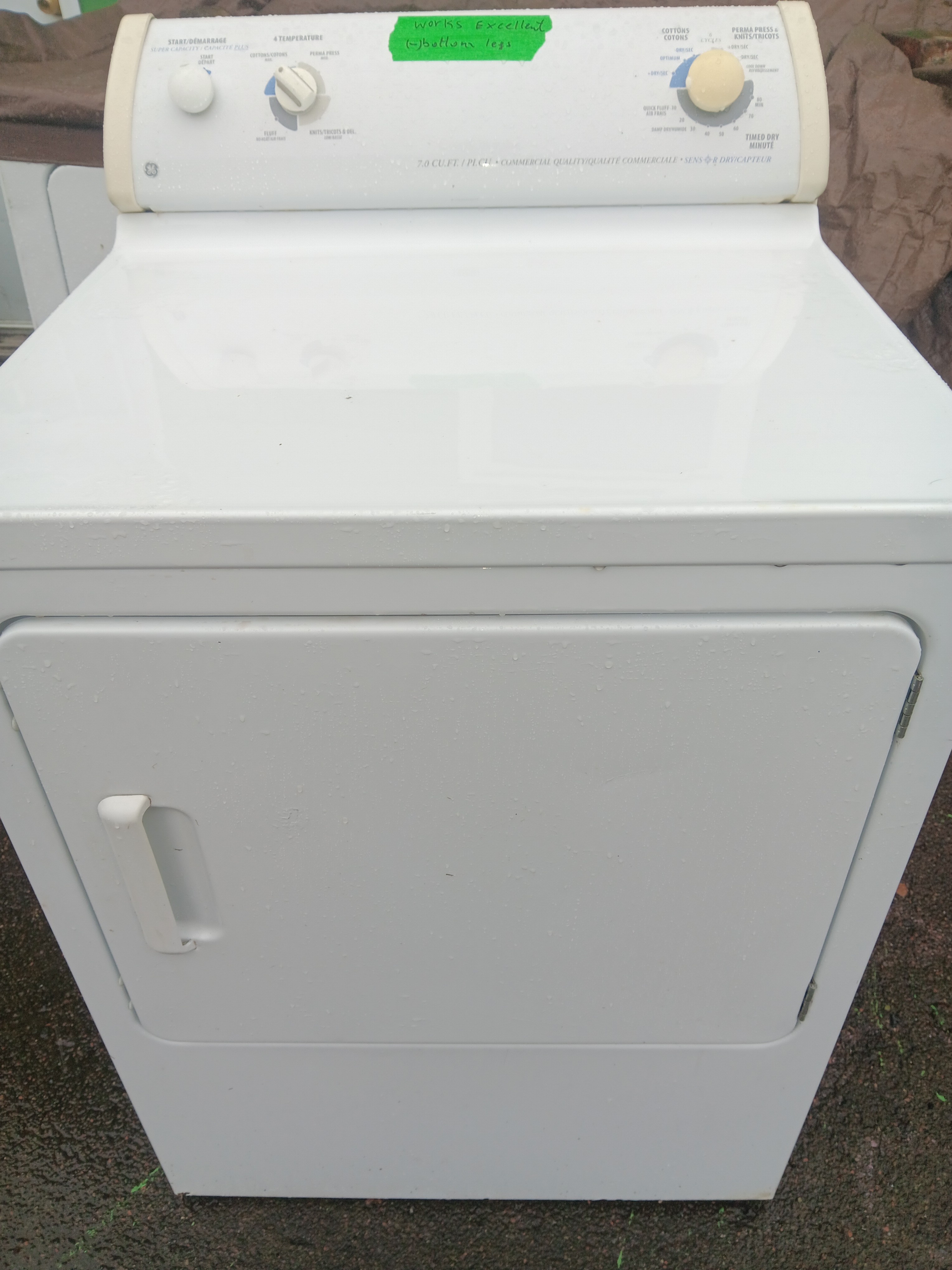
Dryers are simple machines, but a few habits keep them working and prevent damage:
Clean the lint trap before every load. This is the most important dryer habit. A clogged lint trap makes the dryer work harder, heats unevenly, and can overheat the motor. It’s also a fire hazard. Cleaning it takes ten seconds and is non-negotiable.
Clean the exhaust vent annually. The vent that leads outside can accumulate lint. You don’t need to do this often (once a year is fine), but neglecting it makes the dryer less efficient and can cause heat damage. Most rental agreements allow you to clean the vent yourself, or you can request that your rental company do it.
Don’t over-dry clothes. Using the highest heat setting repeatedly can damage fabrics and, over time, can stress the heating element. Use a medium heat setting and remove clothes promptly. This is better for your clothes and better for the dryer.
Check that the door seals properly. If the door doesn’t close tight or if you see heat leaking from the edges, tell your rental company. Don’t try to adjust it yourself.
Dishwasher Maintenance
Dishwashers require minimal maintenance, but these habits keep them running:
Rinse dishes before loading (usually). If your local water is very soft, you might not need to rinse much. But in most cases, removing large food particles before loading prevents clogs. You don’t need to make dishes spotless, just clear the biggest chunks.
Use the right detergent amount. Too much detergent leaves residue on dishes and builds up inside the machine. Follow the bottle’s instructions. If your water is soft, you might use less than recommended.
Run an empty cycle with vinegar monthly. Pour a cup of white vinegar into the empty dishwasher and run a hot cycle. This removes mineral buildup and keeps the interior clean. It’s simple and takes no effort on your part.
Check the spray arms occasionally. If you notice that the spray arms don’t spin freely, or if you see small pieces of food stuck in the holes, gently remove them. Blocked spray arms mean dishes don’t get clean, which could be mistaken for a defect.
Don’t jam glasses or dishes too tightly. Loading so tightly that nothing moves can break glasses and can damage the internal mechanisms. Load reasonably, with space for items to move slightly.
Stove and Oven Maintenance
Stoves and ovens are fairly robust, but basic care prevents damage:
Wipe spills promptly. If food spills on the cooktop or inside the oven, clean it up once it cools. Baked-on residue is harder to clean and can damage heating elements if left too long.
Don’t use your oven to store things. This seems obvious, but some people use the oven as extra storage. If you accidentally turn on the heat, you damage anything stored inside and potentially the oven itself.
Clean the oven periodically. You don’t need to obsess over a spotless oven, but food buildup reduces efficiency and can smoke. Wipe the interior once a month.
Check the burners and heating elements. If you have a gas stove, make sure the burner caps are clean and the flame is even. If you have an electric stove, check that coils sit flat and heat evenly. Report any uneven heating to your rental company.
Use appropriate cookware. Don’t put extremely heavy pots on electric coil burners repeatedly—they can bend the coils. Don’t drag heavy cookware across glass cooktops because it can scratch them.
What Not to Do
Some things damage appliances and will absolutely result in charges:
Don’t use cleaning products that aren’t safe for the appliance. Using bleach in a colored washing machine drum can stain it. Using abrasive scrubbers on stainless steel can scratch it. Always check what’s safe before cleaning.
Don’t move appliances unnecessarily. If your washing machine or stove needs to be moved, ask your rental company to do it. Improper moving can damage internal components and void maintenance coverage.
Don’t attempt your own repairs. If something isn’t working, call the rental company. Trying to fix it yourself can cause additional damage and make you liable for all repair costs.
Don’t expose appliances to extreme temperatures or moisture. Don’t put a dishwasher in an uninsulated garage if it will freeze. Don’t use a dryer in a damp basement without ventilation. Ask your rental company if your location is suitable before renting.
What’s Actually Covered
Your rental agreement covers repairs due to normal wear and tear. This includes:
- Motor burnout
- Valve failures
- Pump failures
- Drum damage from normal use
- Heating element failure
- Seal replacement
You typically cover costs for:
- Damage from misuse (overloading, using wrong detergent, dropping something on it)
- Damage from accidents (spilling water on electrical components)
- Loss or theft
- In some cases, cosmetic damage if it’s severe
Review your specific rental agreement for exact coverage. Different rental companies have slightly different policies.
The Bottom Line
Rental appliances are meant to be used. Basic maintenance takes minutes and protects you from extra charges. Clean the lint trap. Rinse big food particles. Wipe spills. Use the right detergent. Check for obvious problems.
Most rental companies expect this basic care, and it’s reasonable. You wouldn’t trash something you’re renting, and a rental company won’t charge you for normal wear from proper use.
The goal is simple: use the appliance as intended, do minimal maintenance, and report problems immediately. That keeps the appliance working well, keeps you on good terms with the rental company, and makes sure there are no surprises when your rental ends.
Renting removes the stress of ownership and major repairs. A few minutes of basic maintenance each month keeps that advantage working in your favor.