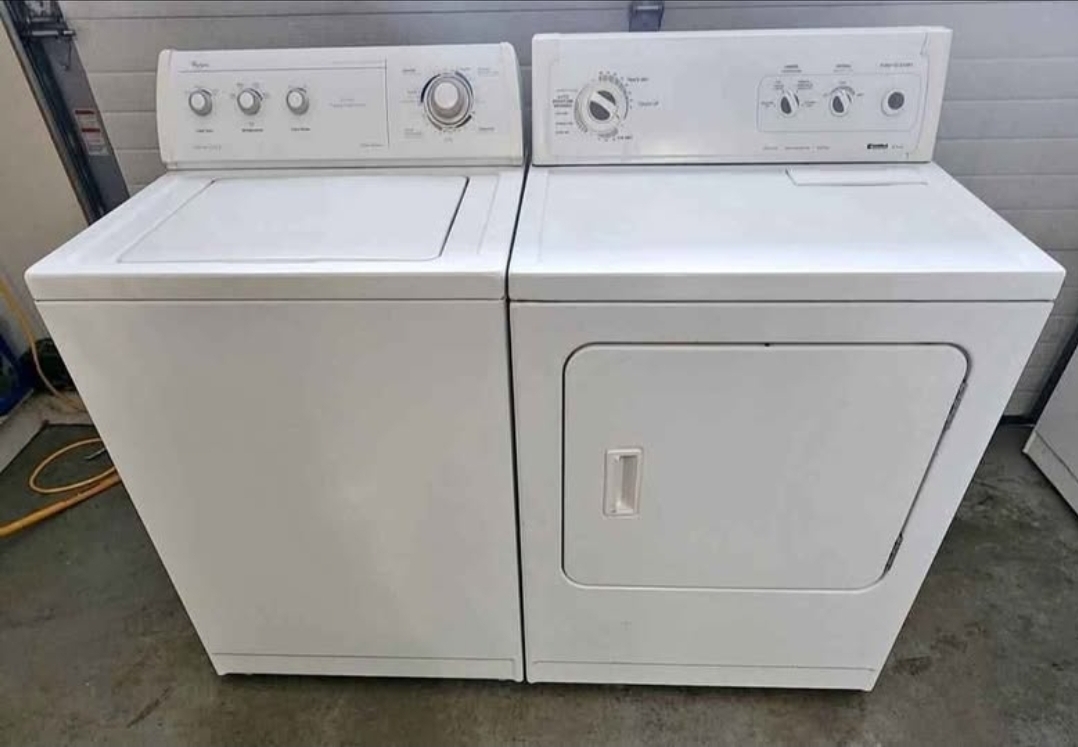
The first week in a new student place usually burns through cash fast. Rent, deposit, groceries, transit, textbooks, internet - and then you realize the unit still needs a washer, dryer, or stove. That is exactly where appliance rental for students starts to make sense. Instead of paying a large amount upfront for appliances you may only need for a school year or two, renting can keep costs predictable and setup simple.
Why appliance rental for students makes sense
For most students, the problem is not just the price of an appliance. It is the timing of that cost. Buying a used washer or stove sounds cheaper at first, but it often means finding a seller, arranging pickup, moving a heavy appliance, hoping it works properly, and covering repairs if it does not.
That is a lot to take on when you are already juggling classes, work shifts, and a move.
Renting changes the equation. A monthly payment is easier to budget for than a large one-time purchase. It also removes some of the stress around transportation, installation, and breakdowns. If the rental includes delivery, setup, and maintenance, you are not stuck scrambling when something stops working during exams or halfway through a lease.
This is especially useful for students in Toronto and New Brunswick who are renting apartments, basement units, shared houses, or short-term off-campus housing. If your living situation may change next year, ownership is not always the smartest move.
Buying looks cheaper - until it is not
Students are often told to buy second-hand and save money. Sometimes that works. If you are staying in one place for several years, have a way to move appliances, and are comfortable taking the risk on repairs, buying can be the lower-cost option.
But there are trade-offs.
A used appliance may come with no warranty, no installation, and no real certainty about how long it will last. Even a good deal can turn expensive once you add delivery, hookups, replacement parts, or repair calls. If you move after eight or twelve months, you also have to figure out how to sell it or move it again.
That is where student rentals can be more practical than they first appear. You are not only paying for the appliance itself. You are paying for convenience, flexibility, and fewer surprise costs.
What students usually need
Not every student home needs a full appliance package. In many cases, the priority is one missing essential that makes daily life easier.
A washer and dryer are often at the top of the list, especially in shared housing where laundromats are expensive and time-consuming. A stove matters when a rental unit does not include one, or when the existing appliance is unreliable. Dishwashers are less common as a student must-have, but for larger shared homes they can save time and reduce friction between roommates.
The right choice depends on the property, the lease, and how long you expect to stay. If you only need one appliance for a fixed term, renting keeps things simple. If you are setting up a longer-term place and want the option to own later, a lease-to-own plan may be worth considering.
What to look for in appliance rental for students
The monthly price matters, but it should not be the only thing you compare. A lower advertised rate can lose its appeal quickly if extra charges start piling up.
Look closely at whether delivery and installation are included. Those are not small details. A cheap rate means less when you have to pay additional setup fees or arrange your own transportation.
Repairs and maintenance also matter. Students usually do not have extra room in the budget for unexpected service costs. If the rental includes maintenance, that takes a major worry off the table.
Flexibility is another big one. Student housing is rarely permanent. Internships, graduation, roommate changes, and lease renewals can all shift your plans. Terms that allow cancellation with reasonable notice are far more student-friendly than long lock-ins.
Finally, pay attention to pricing clarity. If a company is vague about fees, deposits, or conditions, that is usually a sign to ask more questions before you commit.
When renting is the better call
Renting is often the better choice when your time horizon is short or uncertain. If you are in a one-year lease, sharing with roommates, or planning to move after graduation, it is hard to justify spending a large amount on appliances you may not keep.
It also makes sense when cash flow is tight. Even if buying might cost less over several years, many students do not have the spare money for a lump-sum purchase today. A manageable monthly payment is sometimes the difference between having what you need now and going without.
Renting is also a safer option if you want less hassle. That may sound simple, but for students, convenience has real value. Not having to borrow a truck, chase a marketplace seller, or deal with repairs on your own can save time, money, and stress.
When buying may still be smarter
Renting is not the right fit for every student.
If you know you will stay in the same home for several years, have the cash to buy, and are comfortable handling repairs, ownership may work out better in the long run. The same goes if you are moving into a place with roommates who want to split the cost of a purchase and keep the appliance for multiple leases.
This is where it helps to be honest about your actual situation, not the ideal one. A plan to keep an appliance for four years only works if you really expect to stay put, and if everyone involved is prepared to deal with moving or servicing it.
Shared housing changes the math
In student homes with two, three, or four roommates, appliance costs can become surprisingly manageable. A monthly rental split between housemates often feels much lighter than a purchase plus delivery, setup, and possible repair bills.
It can also reduce conflict. When an appliance is rented through a clear agreement, there is less debate over who owns it, who pays for maintenance, or what happens when someone moves out. That is a practical advantage in shared housing, where even small money issues can become frustrating.
The value of local, straightforward service
This is one of the biggest differences between a good rental experience and a bad one. Students do not need complicated contracts or vague promises. They need clear monthly pricing, reliable delivery, and help when something goes wrong.
That is why local service matters. A company that understands the needs of renters and students can make the process much easier, from selecting the right appliance to arranging installation around move-in dates. Option Appliance Rentals is built around that kind of straightforward service, with flexible terms, included maintenance, and clear pricing designed to keep costs predictable.
For students, that predictability matters as much as the appliance itself.
Questions to ask before you rent
Before signing anything, ask how long the minimum term is, what happens if you move, whether repairs are included, and if there are any fees beyond the monthly rate. You should also confirm delivery timing, installation details, and whether your landlord needs to approve the appliance.
These questions are not about being cautious for the sake of it. They help you avoid the exact problems students are trying to escape - surprise costs, delays, and extra stress.
A practical choice, not a luxury
Some people hear the word rental and assume it is more expensive by default. But for students, the better question is whether it lowers risk and makes life easier right now. In many cases, it does.
Appliance rental for students is less about getting something fancy and more about getting something essential without draining your bank account or creating a new problem to manage. If the offer is transparent, flexible, and backed by service, renting can be one of the most practical ways to set up a student home.
The best choice is the one that fits your budget, your lease, and your next move - not just the sticker price on day one.